



Mylenda 0.25MG SC Injection
Made in:
Brand:
Capacity:

Authentic Product

Easy Return

Secure payments and fast deliveries
Indications For Diabetes: Mylenda is indicated in- An adjunct to diet and exercise to improve glycemic control in adults with type 2 diabetes mellitus To reduce […]
Indications
- An adjunct to diet and exercise to improve glycemic control in adults with type 2 diabetes mellitus
- To reduce the risk of major adverse cardiovascular events in adults with type 2 diabetes mellitus and established cardiovascular disease
For Obesity: An adjunct to a reduced calorie diet and increased physical activity for chronic weight management in adult patients with an initial body mass index (BMI) of:
- 30 kg/m2 or greater (Obesity) or
- 27 kg/m2 or greater (Overweight) in the presence of at least one weight-related comorbid condition (e.g. hypertension, type 2 diabetes mellitus or dyslipidemia).
Dosage & Administration
Semaglutide Tablet
: Take Semaglutide at least 30 minutes before the first food, beverage, or other oral medications of the day with no more than 4 ounces (118 ml) of plain water only.- Starter Dose: Start Semaglutide with 3 mg once daily for 30 days
- Maintenance Dose: After 30 days on the 3 mg dose, increase the dose to 7 mg once daily
- For Additional Glycemic Control: If additional glycemic control is needed after at least 30 days on the 7 mg dose, the dose can be increased to 14 mg once daily
Semaglutide injection: The starting dose is 0.25 mg Semaglutide once weekly. After 4 weeks the dose should be increased to 0.5 mg once weekly. After at least 4 weeks with a dose of 0.5 mg once weekly, the dose can be increased to 1 mg once weekly to further improve glycemic control. Weekly doses higher than 1 mg are not recommended. Semaglutide is to be administered once weekly at any time of the day with or without meals. Semaglutide is to be injected subcutaneously in the abdomen, thigh or in upper arm. The injection site can be changed without dose adjustment. Semaglutide should not be administered intravenously or intramuscularly. The day of weekly administration can be changed if necessary as long as the time between two doses is at least 3 days (>72 hours). After selecting a new dosing day, once weekly dosing should be continued.
Switching patients between Semaglutide injection and Semaglutide tablet-
- Patients treated with once weekly Semaglutide injection 0.5 mg subcutaneous injection can be transitioned to Semaglutide 7 mg or 14 mg tablet. Patients can start Semaglutide tablet up to 7 days after their last injection of Semaglutide injection. There is no equivalent dose of Semaglutide tablet for Semaglutide injection 1 mg
- Patients treated with Semaglutide 14 mg tablet daily can be transitioned to Semaglutide subcutaneous injection 0.5 mg once weekly. Patients can start Semaglutide injection the day after their last dose of Semaglutide tablet.
For Obesity: The starting dose is 0.25 mg Semaglutide once weekly for 4 weeks subcutaneously. If patients do not tolerate a dose during dose escalation, consider delaying dose escalation for 4 weeks. If patients do not tolerate the maintenance dose 2.4 mg, the dose can be temporarily decreased to 1.7 mg once weekly for maximum 4 weeks. After 4 weeks increase the dose to 2.4 mg. Weekly doses higher than 2.4 mg is not recommended. Semaglutide is to be administered once weekly at any time of the day with or without meals. Semaglutide is to be injected subcutaneously in the abdomen, thigh or in upper arm. The injection site can be changed without dose adjustment. Semaglutide should not be administered intravenously or intramuscularly. The day of weekly administration can be changed if necessary as long as the time between two doses is at least 2 days (>48 hours). After selecting a new dosing day, once weekly dosing should be continued.
With food & others: Concomitant intake of food reduces the exposure of Mylenda.
Contraindications
- Semaxen is contraindicated in patients who are hypersensitive to Semaxen or to any ingredient in the formulation, including any non-medicinal ingredient, or component of the container.
- Semaxen is contraindicated in patients who have a personal or family history of Medullary Thyroid Carcinoma (MTC) or in patients with Multiple Endocrine Neoplasia syndrome type 2 (MEN 2).
- Semaxen should not be used during pregnancy or breastfeeding.
Side Effects
Rare side effects: Serious allergic reactions (anaphylactic reactions). You should seek immediate medical help and inform your doctor straight away if you get symptoms such as breathing problems, swelling of face and throat, wheezing, fast heartbeat, pale and cold skin, feeling dizzy or weak.
Pregnancy & Lactation
Lactation: There are no data on the presence of Semaglutide in human milk, the effects on the breastfed infant, or the effects on milk production. Because of the unknown potential for serious adverse reactions in the breastfed infant due to the possible accumulation of salcaprozate sodium (SNAC), an absorption enhancer in Semaxen, from breastfeeding and because there are alternative formulations of Semaglutide that can be used during lactation, advise patients that breastfeeding is not recommended during treatment with Semaxen. Discontinue Semaxen in women at least 2 months before a planned pregnancy due to the long washout period for Semaglutide.
Precautions & Warnings
Use in Special Populations
Elderly
: No dose adjustment is required based on age.Renal impairment: No dose adjustment is required for patients with mild moderate or severe renal impairment. Mylenda is not recommended for use in patients with end-stage renal disease.
Hepatic impairment: No dose adjustment is required for patients with hepatic impairment. Caution should be exercised when treating these patients with Mylenda.
Overdose Effects
Dose adjustment: When Mylenda is added to existing metformin and/or thiazolidinedione therapy, the current dose of metformin and/or thiazolidinedione can be continued unchanged. When Mylenda is added to existing therapy of sulfonylurea or insulin, a reduction in the dose of sulfonylurea or insulin should be considered to reduce the risk of hypoglycemia. Self-monitoring in blood glucose is not needed in order to adjust the dose of Mylenda. Blood glucose self-monitoring is necessary to adjust the dose of sulfonylurea and insulin particularly when Mylenda is started and insulin is reduced.
Missed dose: If a dose is missed, it should be administered as soon as possible and within 5 days after the missed dose. If more than 5 days have passed, the missed dose should be skipped and the next dose should be administered on the regular scheduled day. In each case, patients can then resume their regular once weekly dosing schedule.
Therapeutic Class
Storage Conditions
Tablet: Store below 30°C, in a cool and dry place. Keep away from light. Keep all the medicine out of the reach of children.
| Capacity | Injaction |
|---|
Related products
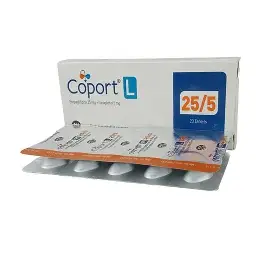
- Capacity: 10 Tablets (1 Strip)
৳ 500.00
- Capacity: 10 Tablets (1 Strip)
৳ 250.00
- Capacity: 10 Tablets (1 Strip)
Original price was: ৳ 12.00.৳ 11.00Current price is: ৳ 11.00.
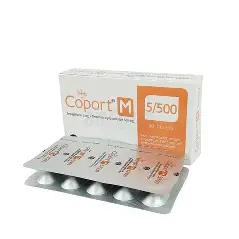
- Capacity: 10 Tablets (1 Strip)
৳ 30.10
- Capacity: 10 Tablets (1 Strip)
৳ 220.00



Reviews
There are no reviews yet.