


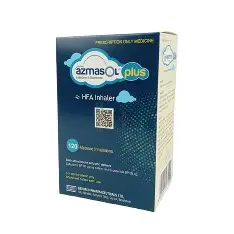
Azmasol Plus Inhaler (MDI)
Made in:
Brand:
Capacity:

Authentic Product

Easy Return

Secure payments and fast deliveries
Indications Azmasol Plus inhelar is indicated for the- Treatment of Asthma for the patients who are 18 years of age and older Prevention of bronchoconstriction Reducing […]
Indications
- Treatment of Asthma for the patients who are 18 years of age and older
- Prevention of bronchoconstriction
- Reducing the risk of exacerbations in patients with asthma who are 18 years of age and older
Dosage & Administration
Interaction
Contraindications
Side Effects
Pregnancy & Lactation
Lactation: There are no available data on the effects of with this inhaler on the breastfed child or on milk production.
Precautions & Warnings
This inhaler can produce paradoxical bronchospasm, which may be life threatening. If paradoxical bronchospasm occurs following dosing with this inhaler, it should be discontinued immediately, and alternative therapy should be instituted. this inhaler, like other drugs containing beta-adrenergic agonists, can produce clinically significant cardiovascular effects in some patients as measured by increases in pulse rate, blood pressure, and/or other symptoms. If such effects occur, this inhaler may need to be discontinued. As with other inhaled drugs containing beta-adrenergic agents, this inhaler should not be used more than the maximum daily as an overdose may result. Clinically significant cardiovascular effects and fatalities have been reported in association with excessive use of inhaled sympathomimetic drugs. Hypersensitivity reactions can occur after administration of salbutamol sulfate and budesonide, components of this inhaler, as demonstrated by cases of anaphylaxis, angioedema, bronchospasm, oropharyngeal edema, rash, and urticaria. Discontinue this inhaler if such reactions occur. this inhaler, like all therapies containing sympathomimetic amines, should be used with caution in patients with convulsive disorders. hyperthyroidism, or diabetes mellitus and in patients who are unusually responsive to sympathomimetic amines Beta-adrenergic agonist medicines may produce significant hypokalemia in some patients, possibly through intracellular shunting, which has the potential to produce adverse cardiovascular effects. Patients who are using drugs that suppress the immune system are more susceptible to infection. Chicken pox and measles, for example, can have a more serious or even fatal course in susceptible patients using corticosteroids. In patients who have not had these diseases or been properly immunized, particular care should be taken to avoid exposure.
This inhaler contains budesonide, an inhaled corticosteroid (ICS), Localized infections of the mouth and pharynx with Candida albicans have occurred in patients treated with ICS agents. Monitor patients periodically. Budesonide, a component of this inhaler, will often help control asthma symptoms with less suppression of hypothalamic-pituitary-adrenal (HPA) function than therapeutically equivalent oral doses of prednisone, Decreases in bone mineral density (BMD) have been observed with long-term administration of products containing ICS. Patients with major risk factors for decreased bone mineral content, such as prolonged immobilization, family history of osteoporosis, post-menopausal status, tobacco use, advanced age, poor nutrition, or chronic use of drugs that can reduce bone mass should be monitored and treated with established standards of care. Glaucoma, increased intraocular pressure, and cataracts have been reported following the long-term administration of ICS, including budesonide, a component of this inhaler. Caution should be exercised when considering the co-administration of this inhaler with long-term ketoconazole and other known strong CYP3A4 inhibitors (e.g.. ritonavir, atazanavir, clarithromycin, indinavir, itraconazole, nefazodone, nelfinavir, saquinavir, telithromycin) because adverse effects related to increased systemic exposure to budesonide may occur. Orally inhaled corticosteroids, including budesonide, may cause a reduction in growth velocity when administered to pediatric patients. The safety and effectiveness of this inhaler have not been established in pediatric patients, and this inhaler is not indicated for use in this population.
Overdose Effects
Salbutamol: The expected symptoms with overdosage are those of excessive beta-adrenergic stimulation and/or occurrence or exaggeration of any of the symptoms of beta-adrenergic stimulation (e.g., seizures, angina, hypertension or hypotension, tachycardia with rates up to 200 beats/minute, arrhythmias, nervousness, headache, tremor, muscle cramps, dry mouth, palpitation, nausea, dizziness, fatigue, malaise, insomnia, hyperglycemia, and metabolic acidosis), Hypokalemia may also occur.
Budesonide: If used at excessive doses for prolonged periods, systemic corticosteroid effects such as hypercorticism may occur.
Therapeutic Class
Storage Conditions
Use within six months after removing from the foil pouch: For best results, the canister should be at room temperature before use. Shake well before each use.
| Capacity | Inhelar |
|---|
Related products
- Capacity: 10 tablet ( 1strip )
৳ 120.40
- Capacity: 10 Tablets (1 Strip)
৳ 350.00
- Capacity: 10 Tablets (1 Strip)
৳ 120.00
- Capacity: 10 Tablets (1 Strip)
Original price was: ৳ 12.00.৳ 11.00Current price is: ৳ 11.00.
- Capacity: 10 Tablets (1 Strip)
৳ 125.00


Reviews
There are no reviews yet.