


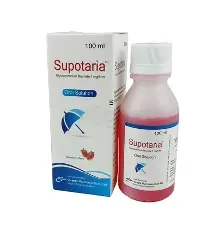
Supotaria Oral Solution 100-ML
Made in:
Brand:
Capacity:

Authentic Product

Easy Return

Secure payments and fast deliveries
Indications Supotaria oral solution is indicated to reduce chronic severe drooling in patients aged 3 to 16 years with neurologic conditions associated with problem drooling (e.g., […]
Indications
Dosage & Administration
During the four-week titration period, dosing can be increased with the recommended dose titration schedule while ensuring that the anticholinergic adverse events are tolerable. Prior to each increase in dose, review the tolerability of the current dose level with the patient’s caregiver.
Glycopyrronium Bromide oral solution should be dosed at least one hour before or two hours after meals. The presence of high-fat food reduces the oral bioavailability of this oral solution if taken shortly after a meal
Interaction
Amantadine: Effects of glycopyrrolate may be increased with concomitant administration of amantadine. Consider decreasing the dose of glycopyrrolate during concomitant use.
Atenolol or metformin: Glycopyrrolate may increase serum levels of atenolol or metformin. Consider dose reduction when used with glycopyrrolate.
Haloperidol or levodopa: Glycopyrrolate may decrease serum levels of haloperidol or levodopa. Consider a dose increase when used with glycopyrrolate.
Contraindications
- Patients with medical conditions that preclude anticholinergic therapy (e.g., glaucoma, paralytic ileus, unstable cardiovascular status in acute hemorrhage, severe ulcerative colitis, toxic megacolon complicating ulcerative colitis, myasthenia gravis).
- Patients taking solid oral dosage forms of potassium chloride. The passage of potassium chloride tablets through the gastrointestinal (GI) tract may be arrested or delayed with coadministration of Glycopyrronium Bromide oral solution.
Side Effects
General Disorders: Irritability, pain
Infections: Pneumonia, sinusitis, tracheostomy infection, upper respiratory tract infection, urinary tract infection
Investigations: Heart rate increase
Metabolism and Nutrition: Dehydration
Nervous System: Headache, convulsion, dysgeusia, nystagmus
Psychiatric: Agitation, restlessness, abnormal behavior, aggression, crying, impulse control disorder, moaning, mood altered
Respiratory: Increased viscosity of bronchial secretion, nasal congestion, nasal dryness
Skin: Dry skin, pruritus, rash
Vascular: Pallor
Pregnancy & Lactation
Precautions & Warnings
Incomplete Mechanical Intestinal Obstruction: Diarrhea may be an early symptom of incomplete mechanical intestinal obstruction, especially in patients with ileostomy or colostomy. If the incomplete mechanical intestinal obstruction is suspected, discontinue treatment with Supotaria and evaluate for intestinal obstruction.
High Ambient Temperatures: In the presence of high ambient temperature, heat prostration (fever and heat stroke due to decreased sweating) can occur with the use of anticholinergic drugs such as Supotaria. Advise patients/caregivers to avoid exposure of the patient to hot or very warm environmental temperatures.
Operating Machinery or an Automobile: Supotaria may produce drowsiness or blurred vision. As appropriate for a given age, warn the patient not to engage in activities requiring mental alertness such as operating a motor vehicle or other machinery, or performing hazardous work while taking Supotaria.
Anticholinergic Drug Effects: Use Supotaria with caution in patients with conditions that are exacerbated by anticholinergic drug effects including:
- Autonomic neuropathy
- Renal disease
- Ulcerative colitis- Large doses may suppress intestinal motility to the point of producing a paralytic ileus and for this reason may precipitate or aggravate “toxic megacolon”, a serious complication of the disease
- Hyperthyroidism
- Coronary heart disease, congestive heart failure, cardiac tachyarrhythmias, tachycardia, and hypertension
- Hiatal hernia associated with reflux esophagitis, since anticholinergic drugs may aggravate this condition
Use in Special Populations
Geriatric Use: Clinical studies of Supotaria did not include subjects aged 65 and over.
Renal Impairment: Because glycopyrrolate is largely renally eliminated, Supotaria should be used with caution in patients with renal impairment
Overdose Effects
- Maintain an open airway, providing ventilation as necessary.
- Managing any acute conditions such as hyperthermia, coma and or seizures as applicable, and managing any jerky myoclonic movements or choreoathetosis which may lead to rhabdomyolysis in some cases of anticholinergic overdosage.
- Administering a quaternary ammonium anticholinesterase such as neostigmine to help alleviate-peripheral anticholinergic effects such as anticholinergic induced ileus.
- Administering activated charcoal orally as appropriate.
Therapeutic Class
Storage Conditions
| Capacity | 100ml |
|---|
Related products
- Capacity: 10 Tablets (1 Strip)
৳ 200.00
- Capacity: 10 Tablets (1 Strip)
৳ 100.30
- Capacity: 10 Tablets (1 Strip)
৳ 40.10
৳ 20.80
- Capacity: 10 Tablets (1 Strip)
৳ 200.00


Reviews
There are no reviews yet.